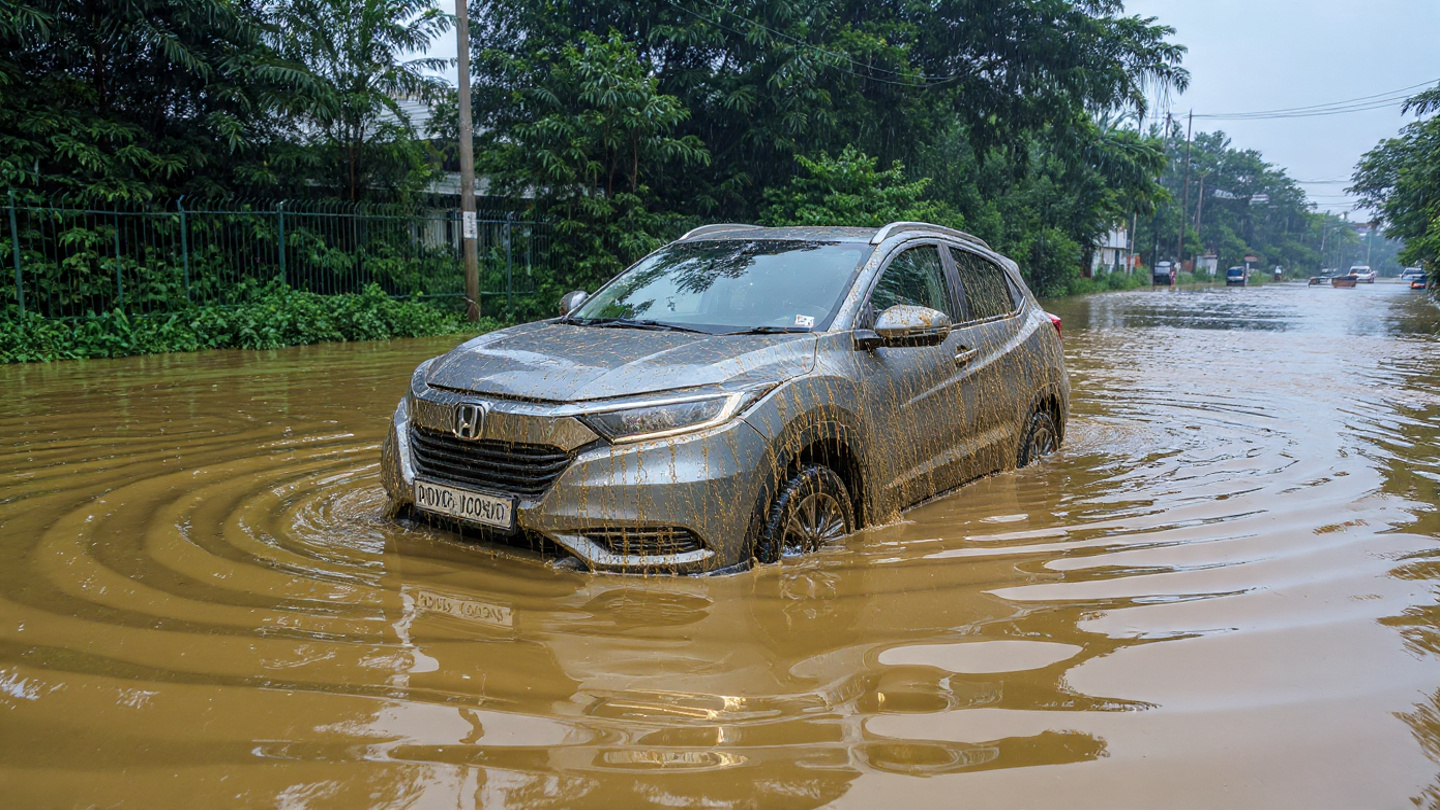
The devastating floods and landslides that struck Sri Lanka in late 2025 left thousands of vehicles submerged, swept away, or severely water-damaged across multiple districts. As floodwaters recede and cleanup efforts continue, a concerning trend has emerged: flood-damaged vehicles are rapidly entering the used-car market, often without proper disclosure.
Unscrupulous sellers may attempt to quickly clean, dry, and resell these compromised vehicles to unsuspecting buyers. While a flood-damaged car might look acceptable on the surface after cosmetic repairs, the hidden damage can be catastrophic. Water infiltration affects critical safety systems, corrodes structural components, and creates long-term reliability issues that may not surface for months.
The financial impact is equally severe. Repair costs for flood damage often higher. Moreover, flood-damaged cars have significantly reduced resale value.
This comprehensive guide provides you with essential knowledge to identify flood-damaged vehicles before purchase and offers practical rescue steps if you discover your own vehicle has been affected by flooding. Whether you’re shopping for a used car or dealing with flood aftermath, this information could save you from making a costly and potentially dangerous mistake.
Why You Should Avoid Flood-Damaged Cars
Modern vehicles contain thousands of components, many of which are highly vulnerable to water damage. Unlike boats or marine equipment, cars are designed for dry-land operation with minimal water resistance. Understanding the scope of flood damage helps explain why these vehicles should be avoided.
Structural and Mechanical Damage
Metal Corrosion: Floodwater, especially when mixed with sewage, chemicals, or saltwater, accelerates rust formation on the chassis, suspension components, brake lines, and fuel system. This corrosion weakens structural integrity and can lead to catastrophic failure during accidents. Rust continues spreading long after the vehicle appears dry.
Engine Contamination: Water entering the engine through the air intake can cause hydrolock, where pistons attempt to compress incompressible water, resulting in bent connecting rods, cracked cylinder heads, or complete engine seizure. Even if the engine wasn’t running during submersion, water mixing with oil creates a corrosive sludge that damages bearings, camshafts, and valve trains.
Transmission Failure: Automatic transmissions contain intricate hydraulic systems and electronic controls. Water contamination destroys transmission fluid’s lubricating properties, leading to gear slippage, harsh shifting, and eventual transmission failure requiring expensive replacement.
Electrical System Catastrophe
Computer Module Damage: Modern vehicles contain 50-100 electronic control units (ECUs) managing everything from engine performance to safety systems. Water exposure causes immediate short circuits and long-term corrosion of circuit boards, leading to erratic behavior, warning lights, and system failures.
Wiring Harness Corrosion: Thousands of electrical connections throughout the vehicle corrode when exposed to water. This creates intermittent electrical problems that are notoriously difficult and expensive to diagnose and repair.
Safety System Compromise: Critical safety features like airbags, anti-lock brakes (ABS), electronic stability control (ESC), and collision avoidance systems rely on sensors and computers that fail when water-damaged. This puts occupants at serious risk.
Interior and Comfort Issues
Mold and Mildew: Moisture trapped in seats, carpets, and sound insulation creates ideal conditions for mold growth. This causes persistent musty odors, respiratory health issues, and deterioration of interior materials. Professional mold remediation is expensive and often unsuccessful in vehicles.
Upholstery Damage: Water stains, discoloration, and material breakdown affect seats, door panels, and headliners. Leather cracks and peels, while fabric develops permanent water marks and loses structural integrity.
Long-Term Consequences
Even after extensive cleaning and repairs, flood-damaged vehicles experience cascading failures. A problem that appears fixed may resurface months later as hidden corrosion progresses. Insurance companies understand these risks, which is why they typically declare flooded vehicles as total losses rather than attempting repairs.
The resale value of a flood-damaged vehicle plummets by 50-75%, and many buyers will refuse to purchase once the history is disclosed. Some insurance companies may deny coverage or charge significantly higher premiums for vehicles with flood damage history.
Flood Damage Levels (Reference Table)
| Level | Water Depth (relative to vehicle) | Typical Damage |
|---|---|---|
| 1 | Water reaches chassis, cabin dry | Carpet damp, possible mildew |
| 2 | Half-wheel height, water enters cabin | Seat power components, center-console electronics |
| 3 | Tires fully submerged, water to driver’s calves | Entire console, most interior electronics |
| 4 | Water near engine top, driver’s waist | Light assemblies, air-intake components |
| 5 | Hood submerged, driver’s chest | All electronics, AC system, mechanical parts |
| 6 | Vehicle fully submerged | Sunroof, roof interior, total loss |
10 Checklist Items to Detect Flood Damage
Below each tip, detailed inspection guidance helps you identify water damage that sellers attempt to hide.
1. Carpet & Sound-Proofing
The carpet and underlying sound-deadening material act like giant sponges, absorbing and retaining water long after visible moisture disappears. Check for:
- Musty or moldy smell that persists even after the car has been aired out
- Discoloration or water stains on carpet edges, especially under seats
- Dampness when pressed firmly - the padding should spring back quickly if dry
- Loose or recently replaced carpet that doesn’t match the vehicle’s age
- Brittle or crumbling sound insulation underneath the carpet
Pull back the carpet in corners and check the metal floor pan for rust or water stains. Sellers may use air fresheners or deodorizers to mask musty odors temporarily.
2. Door-Sill Rubber & Floor Interfaces
Door sills and their rubber seals reveal tampering when sellers attempt to drain water or replace damaged components. Inspect carefully for:
- Pry marks or scratches on plastic sill covers indicating recent removal
- Misaligned or improperly seated rubber seals that don’t fit flush
- New-looking seals on an otherwise aged vehicle
- Water stains or mineral deposits on the metal threshold underneath
- Rust or corrosion on exposed metal surfaces
- Mud or silt residue in crevices that’s difficult to clean completely
Compare all four door sills - if only some appear new or disturbed, it suggests selective replacement to hide evidence.
3. Rubber Edges (Doors, Tailgate, Engine Bay)
Floodwater carries debris that becomes trapped in rubber seals and crevices throughout the vehicle. These areas are often overlooked during cleaning. Check:
- Door and trunk rubber seals for trapped leaves, grass, twigs, or mud
- Hood and engine bay seals for silt deposits or water lines
- Weatherstripping around windows for discoloration or debris
- Rubber grommets where wiring passes through body panels
- Drain holes in doors and rocker panels for blockage or sediment
Run your finger along the inside of rubber seals - you should feel smooth, clean surfaces. Gritty texture or visible debris indicates water submersion. Pay special attention to areas that would be difficult to clean without disassembly.
4. Seat Belts
Seat belt webbing is an excellent flood indicator because it’s rarely replaced and difficult to clean thoroughly. Pull out the entire length of each seat belt and examine:
- Two-tone coloring with a distinct waterline showing where the belt was submerged
- Darker discoloration at the bottom portion that was underwater longer
- Mold or mildew spots especially on the underside of the webbing
- Stiff or rough texture instead of smooth, flexible fabric
- Musty smell when the belt is pulled out fully
- Water stains or mineral deposits on the belt material
- Faded or bleached appearance from chemical exposure
Check all seat belts including rear seats and third-row if applicable. The retractor mechanism may also feel sticky or operate sluggishly if water-damaged.
5. Fuse Box
Fuse boxes are typically located in areas vulnerable to water intrusion and provide clear evidence of flooding. Most vehicles have multiple fuse boxes - check them all:
Interior Fuse Box (usually under dashboard):
- Green or white corrosion on fuse terminals and contacts
- Rust on metal clips that hold fuses in place
- Water stains on the fuse box cover or housing
- Moisture or condensation inside the box
- Burnt or melted fuses from short circuits
Engine Bay Fuse Box:
- Corrosion on relay terminals and fuse contacts
- Rust on the metal housing or mounting brackets
- Damaged or swollen relays from water exposure
- Mineral deposits indicating standing water
Compare the condition of fuses and relays - if some appear brand new while others show age, it suggests selective replacement to hide flood damage. Take photos with your phone to document any suspicious corrosion.
6. Cigarette Lighter / 12V Socket
Power outlets are often overlooked during cleaning but retain clear evidence of water exposure. Inspect all 12V sockets in the vehicle:
- Rust or corrosion on the metal contacts inside the socket
- Green oxidation on the center contact pin
- Water stains or discoloration around the socket opening
- Sticky or gritty residue inside the socket
- Non-functional outlets that don’t provide power
- Burnt smell when attempting to use the socket
Use a flashlight to look deep inside the socket. Clean sockets should show bright, shiny metal contacts. Any discoloration, rust, or residue indicates water intrusion. Check sockets in the front, rear, and cargo area if equipped.
7. Electrical Components
Electrical systems are among the first casualties of flood damage and the most expensive to repair. Conduct a comprehensive electrical test:
Audio and Climate Systems:
- Test radio, CD player, and all speakers for proper function
- Check air conditioning and heating at all fan speeds
- Verify rear window defogger operation
- Test heated seats if equipped
Lighting Systems:
- Turn on headlights, high beams, fog lights, and running lights
- Test all turn signals and hazard lights
- Check brake lights and reverse lights
- Verify interior lights, dome lights, and trunk light
Power Features:
- Operate all power windows multiple times
- Test power door locks from all switches
- Check power mirrors and mirror heaters
- Verify sunroof or moonroof operation
- Test power seats in all directions
Warning Signs:
- Intermittent operation or flickering
- Delayed response when activating switches
- Faint burning or electrical smell
- Warning lights on the dashboard
- Features that work sometimes but not others
- Crackling sounds from speakers
- Dim or flickering lights
Water-damaged electrical systems often work initially but fail progressively as corrosion spreads. If multiple electrical issues exist, it’s a strong indicator of flood damage.
8. Engine Bay Insulation
The firewall insulation and hood liner provide excellent evidence of water intrusion that’s difficult to fake or replace. Examine thoroughly:
Hood Liner:
- Sagging or drooping insulation that’s lost its adhesive
- Water stains or discoloration showing waterline marks
- Compressed or matted material instead of fluffy texture
- Mold or mildew growth on the fabric surface
- Musty odor when you lean into the engine bay
Firewall Insulation:
- Soggy or damp feeling when pressed
- Discoloration or darkening of the material
- Brittle or crumbling insulation that’s deteriorating
- Visible water damage on the firewall metal behind it
Engine Bay Components:
- Rust on metal surfaces that should be painted
- Corrosion on battery terminals and cable connections
- Water stains on the engine block or valve covers
- Mud or silt deposits in crevices and corners
- Discolored or milky fluids in reservoirs
Check the air filter - a water-damaged filter will show water stains or may have been recently replaced. Look for water lines on plastic components and wiring harnesses.
9. Seat Rails & Motors
Seat mechanisms are low to the floor and among the first components submerged during flooding. They’re also difficult to clean thoroughly, making them reliable flood indicators:
Manual Seat Rails:
- Surface rust on the metal rails and adjustment mechanisms
- Corrosion on bolts securing seats to the floor
- Gritty or sticky operation when sliding the seat
- Rust stains on the carpet around seat bases
Power Seat Systems:
- Sluggish or jerky movement when adjusting position
- Grinding or unusual noises from the motors
- Non-functional adjustments in certain directions
- Intermittent operation that works sometimes
- Rust on motor housings and gear mechanisms
Inspection Method: Move the seat fully forward and backward to expose the rails. Use a flashlight to inspect underneath the seat for:
- Rust or corrosion on metal components
- Water stains on the seat bottom fabric
- Damaged or corroded electrical connectors
- Mud or debris in the track mechanisms
Compare front and rear seats - if only front seats show wear but rear seats appear pristine, it may indicate selective cleaning or replacement.
10. Spare Tire Compartment
The trunk and spare tire well are often the last areas cleaned after flooding, making them prime locations for finding evidence:
Spare Tire Well:
- Rust or corrosion on the metal well bottom
- Water stains or mineral deposits on painted surfaces
- Damp or musty smell in the compartment
- Mud, silt, or debris in corners and crevices
- Rust on the spare tire rim or mounting hardware
- Corroded jack and tools that should be clean
Trunk Area:
- Water stains on trunk carpet or liner
- Rust on trunk hinges and latch mechanisms
- Corrosion on tail light housings from inside
- Moisture in tail light assemblies (foggy appearance)
- Rust on trunk floor under the carpet
- Damaged or replaced trunk seal that doesn’t match
Additional Checks:
- Remove the trunk carpet completely and inspect the metal floor
- Check drain holes in the trunk floor for blockage or sediment
- Inspect the area around the fuel filler neck for rust
- Look for water damage on the underside of the trunk lid
- Check battery compartment (if located in trunk) for corrosion
The spare tire well often retains water long after other areas dry, making it one of the most reliable flood indicators. If you find standing water, rust, or strong musty odors here, the vehicle was definitely flooded.
What to Do If You Already Bought a Flood-Damaged Car
Discovering you’ve purchased a flood-damaged vehicle is distressing, but taking immediate action can help minimize losses and protect your legal rights.
Immediate Actions
-
Stop Driving Immediately - Continuing to operate a flood-damaged vehicle can cause additional damage and create safety hazards. Park it in a safe location and cease all use.
-
Document Everything - Take extensive photos and videos of all damage, suspicious areas, and evidence of flooding. Document the vehicle’s condition, mileage, and any warning lights or malfunctions. Save all purchase documents, advertisements, and communications with the seller.
-
Get Professional Inspection - Have a certified mechanic or automotive technician conduct a comprehensive inspection. Request a written report detailing all flood damage and estimated repair costs. This documentation is crucial for legal action or insurance claims.
-
Check Vehicle History - Vehicle history reports are limited in Sri Lanka. For imported vehicles, original Japanese auction sheets (if verifiable) may help. For local vehicles, inspection and insurance records are more reliable than history reports. Sri Lanka does not officially record flood or water damage on vehicle registration documents. Buyers must rely on physical inspection, service records, insurance history, and seller disclosure.
Legal Options
Contact the Seller - Inform them in writing about the undisclosed flood damage and request a full refund. Keep copies of all correspondence. Many sellers will negotiate rather than face legal action.
Review Your Purchase Agreement - Check for any “as-is” clauses or warranty information. Even “as-is” sales may not protect sellers who actively concealed known defects.
Consult a Lawyer - While legal remedies exist in theory, enforcement in Sri Lanka can be slow and challenging. Prevention through inspection is far more effective than recovery after purchase.
File Complaints - Report the seller to:
- Consumer Affairs Authority
- Police (if fraud is suspected)
- Online review platforms to warn other buyers
Insurance Considerations
Notify Your Insurance Company - Inform them immediately about the flood damage discovery. Failure to disclose known damage could void your coverage.
Review Coverage Options - Check if your policy covers fraud or undisclosed damage. In Sri Lanka, insurance companies generally do not cover flood damage that occurred before policy commencement, even under comprehensive policies.
Avoid Making Claims - Don’t file claims for flood-related damage if you weren’t the owner during the flood. This could complicate your legal case and affect future insurability.
Financial Recovery
Negotiate a Return - Push for a full refund and return of the vehicle. This is often the best outcome, avoiding costly repairs and future problems.
Demand Compensation - If return isn’t possible, seek compensation for:
- Difference between paid price and actual value
- Cost of necessary repairs
- Diminished resale value
- Inspection and legal fees
Emergency Self-Rescue Steps for a Flooded Vehicle
If your own vehicle has been caught in flooding, immediate action within the first 24-48 hours can significantly reduce damage and repair costs. Follow these steps carefully:
Critical First Steps (Do Not Start the Engine)
1. Assess Water Level Exposure
- Determine how high water reached using visible waterlines
- If water reached the dashboard or engine, professional help is essential
- If only floor-level flooding occurred, self-rescue may be possible
2. Disconnect the Battery
- Remove the negative terminal first to prevent short circuits
- This protects electrical systems from further damage
- Keep battery disconnected until vehicle is thoroughly dried
3. Do NOT Attempt to Start
- Starting a flooded engine can cause catastrophic damage (hydrolock)
- Even turning the key to “on” can damage electrical systems
- Wait for professional clearance before any startup attempts
Water Removal and Drying
4. Remove Standing Water
- Use a wet-dry vacuum to extract water from carpets and seats
- Soak up remaining moisture with absorbent towels
- Open all doors, trunk, and hood to promote air circulation
- Remove floor mats and drain any trapped water
5. Remove Interior Components
- Take out all removable carpets, mats, and seat covers
- Remove seats if possible (requires basic tools): If your vehicle has airbags or powered seats, seat removal should be done only by a qualified technician to avoid triggering SRS faults
- Pull back remaining carpet to expose metal floor
- Remove door panels if water reached that level
- Take out trunk carpet and spare tire
6. Accelerate Drying
- Park in direct sunlight with all openings open
- Use multiple fans to create cross-ventilation
- Place moisture absorbers (silica gel, DampRid) throughout interior
- Run a dehumidifier inside the cabin if power is available
- Continue drying for minimum 48-72 hours
- Check for dampness daily - restart drying if needed
Mechanical Inspection
7. Check Critical Fluids
- Inspect engine oil - milky appearance indicates water contamination
- Check transmission fluid - should be clear red, not pink or milky
- Examine brake fluid reservoir for water contamination
- Look at coolant - should be clean, not muddy
- If any fluid is contaminated, do NOT start the engine
8. Inspect Air Intake System
- Remove air filter and check for water damage
- Inspect air intake tube for water or debris
- Look inside throttle body for moisture
- If dry, there’s less risk of engine damage
- If wet, engine may have ingested water - get professional help
9. Check Exhaust System
- Look for water or mud in the tailpipe
- If exhaust is clear, less water entered the engine
- If blocked or muddy, professional cleaning needed
Electrical System Recovery
10. Dry Electrical Components
- Spray electrical contact cleaner on all visible connectors
- Use compressed air to blow out water from fuse boxes
- Dry out door switches, window controls, and dashboard buttons
- Remove and dry out any accessible electronic modules
- Let everything air dry for 48+ hours
11. Inspect Wiring Harnesses
- Look for water inside wire bundles
- Check for corrosion on connectors
- Spray anti-corrosion treatment on exposed connections
- Replace any obviously damaged connectors
Professional Assessment
12. Get Mechanic Clearance
- Have a qualified mechanic inspect before starting
- Request compression test to check for engine damage
- Ask for electrical system diagnostic scan: Diagnostic capabilities vary widely in Sri Lanka. Seek workshops experienced with your vehicle make, especially for hybrids or European models.Diagnostic capabilities vary widely in Sri Lanka. Seek workshops experienced with your vehicle make, especially for hybrids or European models.
- Get written clearance before attempting to start
13. First Start Procedure (Only after professional clearance)
- Reconnect battery
- Turn key to “on” position without starting
- Check for warning lights or unusual indicators
- If clear, attempt brief start (5-10 seconds)
- Listen for unusual noises - knocking, grinding, or squealing
- Watch for smoke or burning smells
- If anything seems wrong, shut off immediately
Ongoing Monitoring
14. Watch for Delayed Problems
- Monitor for electrical issues over next few weeks
- Check for mold growth or musty odors
- Inspect for rust development on metal surfaces
- Listen for unusual mechanical noises
- Watch for warning lights or system malfunctions
15. Preventive Treatments
- Apply rust inhibitor to exposed metal surfaces
- Treat interior with mold prevention spray
- Apply dielectric grease to electrical connections
- Schedule follow-up inspections at 1 week, 1 month, and 3 months
When to Abandon Self-Rescue
Seek professional help immediately if:
- Water reached above the dashboard
- Engine was running when submerged
- Vehicle was submerged for more than a few hours
- Saltwater flooding occurred (highly corrosive)
- You smell burning or see smoke
- Multiple electrical systems are non-functional
- Fluids show contamination
- You lack mechanical knowledge or proper tools
Remember: Insurance may cover flood damage if you have comprehensive coverage. Contact your insurance company before attempting extensive repairs, as they may prefer to total the vehicle rather than risk future liability from inadequate repairs.
Protecting Yourself in the Post-Flood Vehicle Market
The aftermath of recent flooding has created a challenging environment for used car buyers in Sri Lanka. Flood-damaged vehicles are entering the market at an alarming rate, often disguised through superficial cleaning and quick repairs. The financial and safety risks of purchasing such a vehicle are substantial and long-lasting.
Key Takeaways
For Buyers:
- Never skip the comprehensive 10-point inspection checklist
- Insist on independent mechanical inspection before purchase
- Obtain vehicle history reports when available
- Be suspicious of unusually low prices or rushed sales
- Walk away if seller refuses inspection or seems evasive
- Trust your instincts - if something feels wrong, it probably is
For Current Owners:
- Act immediately if your vehicle has been flooded
- Document everything for insurance purposes
- Never attempt to start a flooded engine without professional clearance
- Understand that extensive flooding may make the vehicle a total loss
- Consider the long-term costs versus replacement value
For the Community:
- Report suspected flood vehicle fraud to authorities
- Share information about dishonest sellers
- Support proper disclosure laws and enforcement
- Educate friends and family about flood damage risks
The Real Cost of Flood Damage
While a flood-damaged vehicle might seem like a bargain initially, the true costs emerge over time:
- Ongoing electrical failures requiring expensive diagnosis and repair
- Progressive rust and corrosion weakening structural components
- Mold and health issues affecting occupants
- Dramatically reduced resale value
- Potential insurance complications or denial of coverage
- Safety system failures that could prove fatal in an accident
In most cases, the total cost of properly repairing a flood-damaged vehicle exceeds its market value, which is why insurance companies typically declare them total losses.
Making Smart Decisions
When shopping for a used vehicle in the current market:
- Take your time - don’t rush into a purchase
- Bring a knowledgeable friend or mechanic
- Inspect during daylight hours when details are visible
- Test drive in various conditions
- Verify seller identity and ownership documents
- Get everything in writing
- Consider buying from reputable dealers with warranties
- Factor in inspection costs as part of your budget
Looking Forward
As Sri Lanka recovers from recent flooding, the used vehicle market will remain risky for months or even years. Flood-damaged vehicles may be transported to other districts or held until the immediate post-flood period passes, making vigilance essential regardless of when or where you’re shopping.
By arming yourself with knowledge, conducting thorough inspections, and refusing to compromise on safety, you can navigate this challenging market successfully. Remember: the best deal is the one you walk away from when something doesn’t feel right.
Stay safe, inspect carefully, and make informed decisions. Your family’s safety and financial security depend on it.
Have questions about vehicle inspection or need help identifying potential flood damage? Follow our blog for more detailed guides on vehicle safety, maintenance, and smart buying practices. Share this guide with friends and family to help protect them from flood vehicle fraud.